Insulated catering bags keep food close to the temperature it left the kitchen at while it is on the road. They do not heat or cool food on their own, so they work best when food goes in at serving temperature, hot and cold items travel in separate bags, and each bag is sized to the pans it carries. In summer heat, the right bag and the right packing habits are the difference between a tray that arrives ready to serve and one that has to be thrown out.
This guide covers what to look for when buying catering bags and how drivers and kitchens should use them.
Why Insulated Catering Bags Matter
Catering orders are large, they often sit before serving, and they travel farther than a single takeout order. The FDA advises keeping hot foods at 140°F or warmer and cold foods at 40°F or colder, and discarding perishables left at room temperature for more than 2 hours, or 1 hour when it is above 90°F. Time in a hot car counts toward that limit, which is why insulation matters most in summer.
Good bags also protect presentation. A tray that slides around in the back seat, or a salad that wilts next to a hot pan, reflects on the restaurant even if it arrives on time.
What to Look for in Insulated Catering Bags
- Size and fit. Choose bags built for the pans you use, such as full or half foodservice pans, so trays sit flat with little empty space. Empty space lets heat escape and trays shift.
- Loading style. Top-loading bags suit stacked pans. Side- or front-loading bags make it easy to slide trays in and out without unstacking.
- Insulation and lining. Thicker insulation holds temperature longer. Wipe-clean or removable liners make cleanup easier after sauces and soups.
- Exterior material. Durable, water-resistant fabric holds up to rain and daily use.
- Closures. Full zippers or wide hook-and-loop flaps keep heat in better than open tops.
- Handles and straps. Reinforced handles and shoulder straps help when a driver is carrying several bags from a parking lot.
- Vents. Small vents let steam out so fried or crispy items do not turn soggy.
Soft Bags vs. Hard Insulated Carriers
| Soft insulated bags | Hard insulated carriers | |
|---|---|---|
| Weight | Light, fold flat | Heavier and bulkier |
| Holding time | Best for shorter trips | Generally longer |
| Protection | Some crush resistance | Rigid, stackable |
| Best for | Everyday drop-off catering | Large events, liquids, long holds |
Many restaurants use soft bags for daily orders and keep a few hard carriers for big events.
How to Pack Insulated Catering Bags
- Start at the right temperature. Pack hot food straight from the line and cold food straight from the cooler.
- Separate hot and cold. Never mix them in one bag.
- Fill the space. A full bag holds temperature better. Use towels or empty pans to stop trays shifting.
- Keep liquids upright and sealed. Soups, dressings and coffee go in sealed containers, upright, away from trays.
- Vent crispy items. Crack a lid or use vented containers so steam can escape.
- Label every bag. “Hot, Bag 2 of 5” on the outside helps the driver and the client.
- Close it until serving. Every time the bag opens, heat escapes.
Summer Tips for Catering Delivery
- Pre-cool cold bags or add ice packs, and pre-warm hot carriers before loading if the manufacturer allows it.
- Keep bags in the air-conditioned cabin, not a hot trunk.
- Shorten the time between ready and pickup so food does not sit in bags on the counter.
- For outdoor events, keep food in its bags in the shade until serving.
Outdoor summer events are where this matters most. Our guide to graduation party catering covers homes and parks, and our post on breakfast catering delivery covers packing coffee and hot breakfast items.
Cleaning and Care
Follow the manufacturer’s cleaning instructions. As a habit, empty and wipe the interior after each shift, clean spills right away, and let bags dry fully open before storing. Replace bags with torn liners, broken zippers or crushed insulation, because they no longer hold temperature well.
Who Brings the Bags?
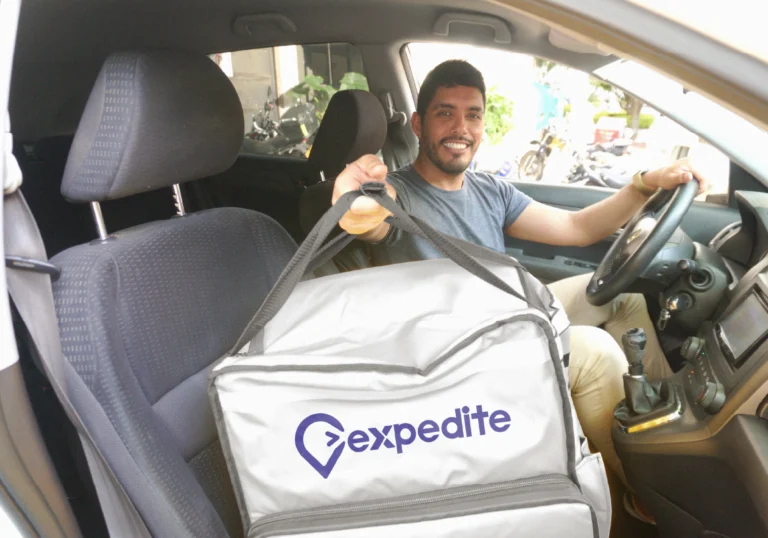
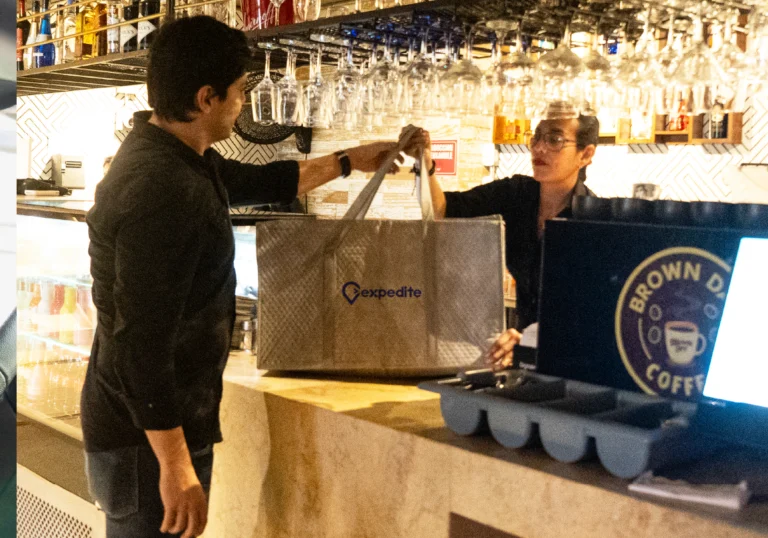
When you use a delivery partner, ask whether drivers bring their own insulated bags and carriers. Expedite says the driver who accepts an order should have “the right equipment every time,” and its Expediters are described as having professional delivery equipment. One restaurant client on the Expedite homepage notes that drivers arrive “prepared with carts and bags for the orders.” For high-touch orders that need setup as well, see our post on white glove delivery service for catering.
Key Takeaways
- Insulated catering bags hold temperature, they do not heat or cool food, so pack food at serving temperature.
- Keep hot and cold items in separate bags, and fill each bag to limit heat loss.
- Choose bags sized for your pans, with good closures, sturdy handles and easy-clean liners.
- In summer, keep bags in the cabin and shorten the time between ready and pickup.
- Ask your delivery partner what equipment drivers bring to large orders.
Frequently Asked Questions
How long do insulated catering bags keep food hot?
It depends on the bag, how full it is, how hot the food was when packed and the weather. Insulated bags slow heat loss but do not heat food, so pack food at serving temperature, fill the bag, keep it closed and keep transport time short. Check the manufacturer’s guidance for a specific bag.
Can I put hot and cold food in the same catering bag?
No. Pack hot and cold items in separate bags or carriers. Putting them together warms the cold food and cools the hot food, which hurts quality and can push both toward unsafe temperatures.
What size insulated catering bag do I need?
Size the bag to the containers you use most. Many catering bags are built to hold full-size or half-size foodservice pans, often stacked. Measure your pans and lids and choose a bag that holds them flat with little empty space.
Are soft insulated bags or hard carriers better?
Soft bags are lighter, fold flat and suit most drop-off catering. Hard insulated carriers are heavier but sturdier, and they are often used for long holds, bulk liquids and large events. Many caterers use both.
How do you clean insulated catering bags?
Follow the manufacturer’s instructions. In general, wipe the interior after every shift, clean spills right away, let the bag dry open, and choose bags with wipe-clean or removable liners if they will carry sauces and soups.
If you want catering drivers who show up with the right equipment, schedule a demo with Expedite today.